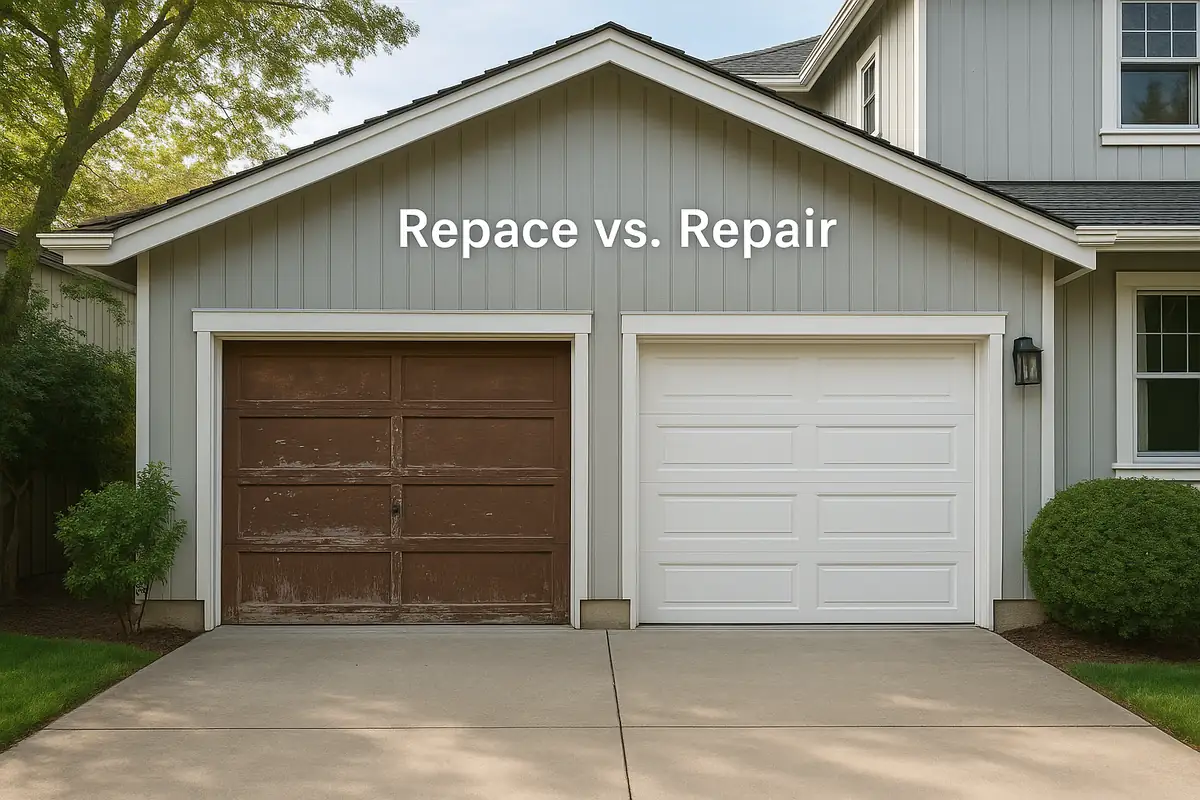
Understanding Garage Door Noise
Garage doors are essential for your home's security and convenience, but they can also be a significant source of noise. Noisy garage doors can disturb the peace of your neighborhood and even affect your quality of life at home. In this article, we will explore the various causes of garage door noise and provide you with actionable tips on how to reduce it effectively.
Common Causes of Garage Door Noise
Before diving into solutions, it’s important to understand what typically makes a garage door noisy. Here are some common culprits:
- Worn-Out Rollers: Metal rollers can wear down over time, leading to a grinding or squeaking sound.
- Loose Hardware: Nuts, bolts, and screws can loosen, causing rattling noises during operation.
- Unbalanced Door: An unbalanced garage door can operate unevenly, creating excessive noise.
- Insufficient Lubrication: Lack of lubrication on moving parts can cause friction and noise.
- Spring Issues: Worn or broken springs can produce a loud bang or snap.
Effective Tips to Reduce Garage Door Noise
Now that you know what causes the noise, let’s explore how you can minimize it. Here are some practical steps you can take:
1. Regular Maintenance Checks
Routine maintenance is crucial to keeping your garage door operating smoothly. Here’s what you should do:
- Inspect all moving parts, including rollers, hinges, and tracks.
- Tighten any loose hardware.
- Check for signs of wear or damage.
2. Lubricate Moving Parts
Proper lubrication can significantly reduce noise. Here's how to do it:
- Use a silicone-based lubricant or garage door lubricant spray.
- Apply it to rollers, tracks, and hinges.
- Ensure not to use grease, as it can attract dust and debris.
3. Upgrade to Quieter Rollers
If your garage door features metal rollers, consider upgrading to nylon rollers. They provide a smoother operation and are generally quieter.
4. Add Weatherstripping
Installing weatherstripping can help dampen sound. Here’s how to do it:
- Measure the sides and top of your garage door.
- Purchase weatherstripping that fits your door dimensions.
- Attach it securely for better insulation and sound reduction.
5. Insulate Your Garage Door
Insulating your garage door not only keeps your garage temperature-controlled but also reduces noise. Consider the following options:
- Polystyrene Panels: These can be attached to the back of your garage door.
- Reflective Foil Insulation: This is another effective option for sound dampening.
Statistics and Facts About Garage Door Noise
Did you know that according to the International Door Association (IDA), almost 10% of homeowners experience issues with noisy garage doors? Regular maintenance and upgrades can significantly affect the lifespan of your garage door and its components.
When to Call a Professional
If you've tried all the tips mentioned above and your garage door is still noisy, it may be time to contact a professional. Issues like broken springs or misaligned tracks should be handled by experts to ensure safety and proper repairs.
Conclusion
Reducing garage door noise not only enhances your living environment but also contributes to a more peaceful neighborhood in Chestnut Hill, MA. By following the tips outlined above, you can effectively minimize noise and extend the life of your garage door. If you need expert assistance or a thorough inspection, don't hesitate to reach out to Rocky Mountain Garage Door Repair. We’re here to help you maintain a quiet and functional garage door.
Explore More Resources
Related Articles
Service Areas
We proudly serve Chestnut Hill, Chestnut Hill, Brookline, Newton, Watertown and more areas.
Our Services
Professional garage door repair, spring repair, opener installation and more. View all services →